

This course is designed to help both K–12 and higher education educators explore practical and responsible ways to integrate AI into teaching and learning environments. Through short lessons, tool demonstrations, and hands-on activities, participants will learn how AI can support lesson planning, student engagement, assessment, differentiation, and academic productivity while ensuring safe, ethical, and age-appropriate use. By the end of the training, educators will be equipped to meaningfully and responsibly integrate AI tools into their teaching practices to enhance learning experiences and improve classroom and instructional outcomes.
This course is designed for K–12 and higher education teachers, curriculum designers, and academic leaders who want to meaningfully integrate artificial intelligence into their teaching practice. Whether you are new to AI or already experimenting with tools like ChatGPT, this course will help you understand core AI concepts, evaluate tools, and apply them effectively for lesson planning, assessment, and student engagement across different educational contexts.
In this course, you will gain practical skills and a strong conceptual understanding of how artificial intelligence can support teaching and learning in K–12/Higher-Education classrooms. You’ll explore how to use AI tools responsibly and effectively for lesson planning, differentiated instruction, assessment, feedback, and student engagement while strengthening your professional judgment as an educator.
By the end of this course, you will be able to:
Want to avail group discounts? Visit our “For Organizations” page to learn more about team enrollments.
This course is also offered in the Self-Paced Format where you can learn at your own pace. Learn More

Dr. Suleman Shahid is an Associate Professor of Computer Science at LUMS and Director of…
Dr. Suleman Shahid is an Associate Professor of Computer Science at LUMS and Director of…
This module introduces the foundational concepts of artificial intelligence and its relevance to teaching and learning. It begins by clarifying what AI is and addressing common misconceptions about its capabilities and limitations. The module then traces the evolution of AI in education, highlighting key developments and emerging applications that are shaping contemporary teaching practices. Participants will also explore essential concepts such as machine learning (ML) and large language models (LLMs), with a focus on how these technologies function and their implications for educational contexts. Through demonstrations and practical examples, educators will gain an introductory understanding of how AI can support instructional planning and innovation. The module concludes by examining the potential impact of AI on the future of teaching and learning.
Learning Outcomes
This module introduces educators to practical AI tools that can support various aspects of teaching, including lesson planning, student engagement, and assessment. It begins by helping participants understand how to effectively interact with AI systems through clear instructions and prompt engineering. The module then provides an overview of widely used generative AI tools and demonstrates how they can assist educators in everyday teaching tasks. The module also encourages participants to critically examine the benefits and limitations of using AI in grading and feedback, preparing them to use these tools thoughtfully and responsibly in their teaching practice.
Learning Outcomes:
This module explores how artificial intelligence can support inclusive and student-centered teaching practices. It focuses on using AI tools to design differentiated instruction that addresses the needs of diverse and mixed-ability learners. The module also examines how AI can enhance assessment and feedback processes, enabling educators to design more responsive and personalized learning experiences. In addition, participants will explore ways to co-design classroom activities and projects with AI, encouraging collaborative and creative learning environments. The module emphasizes practical approaches for integrating AI into classroom tasks while ensuring that learning remains interactive, inclusive, and aligned with instructional goals.
Learning Outcomes:
This module examines the ethical, pedagogical, and practical considerations of integrating AI into educational contexts. It introduces educators to potential risks associated with AI use. The module also addresses broader ethical issues such as student privacy, surveillance, and equity, emphasizing the responsibility of educators to promote safe and fair AI practices. Participants will learn the importance of teaching AI literacy to students, equipping them with the knowledge to critically engage with AI technologies. The module concludes by guiding educators through the development and evaluation of AI integration plans, helping them make informed decisions that balance innovation with ethical and pedagogical considerations.
Learning Outcomes:
This module explores how artificial intelligence can be thoughtfully integrated into classroom practice to support teaching, learning, and student development. It introduces educators to AI-powered tools that can assist with routine classroom management tasks while maintaining the teacher’s role in guiding learning and fostering student agency. The module also highlights the importance of digital responsibility by examining potential risks associated with AI use, such as data privacy concerns, algorithmic bias, and exposure to inappropriate content. In addition, educators will learn how to design creative, AI-enhanced assignments that align with grade-level learning objectives and encourage active student engagement. The module further explores the future of children’s interaction with AI. Teachers will be guided to create meaningful learning activities that allow students to engage with AI responsibly while developing foundational skills.
Learning Outcomes:
This module explores how artificial intelligence can support assessment, feedback, course design, and research workflows in higher education. It introduces practical strategies for using AI tools to manage large-class assessments, provide timely feedback, and enhance instructional efficiency. The module also addresses academic integrity challenges associated with AI-generated content, helping educators identify potential plagiarism and respond with appropriate interventions. addition, participants will learn how AI can assist with academic research and writing tasks. The module further examines how AI can support the co-design of syllabi and assignments.
Learning Outcomes:
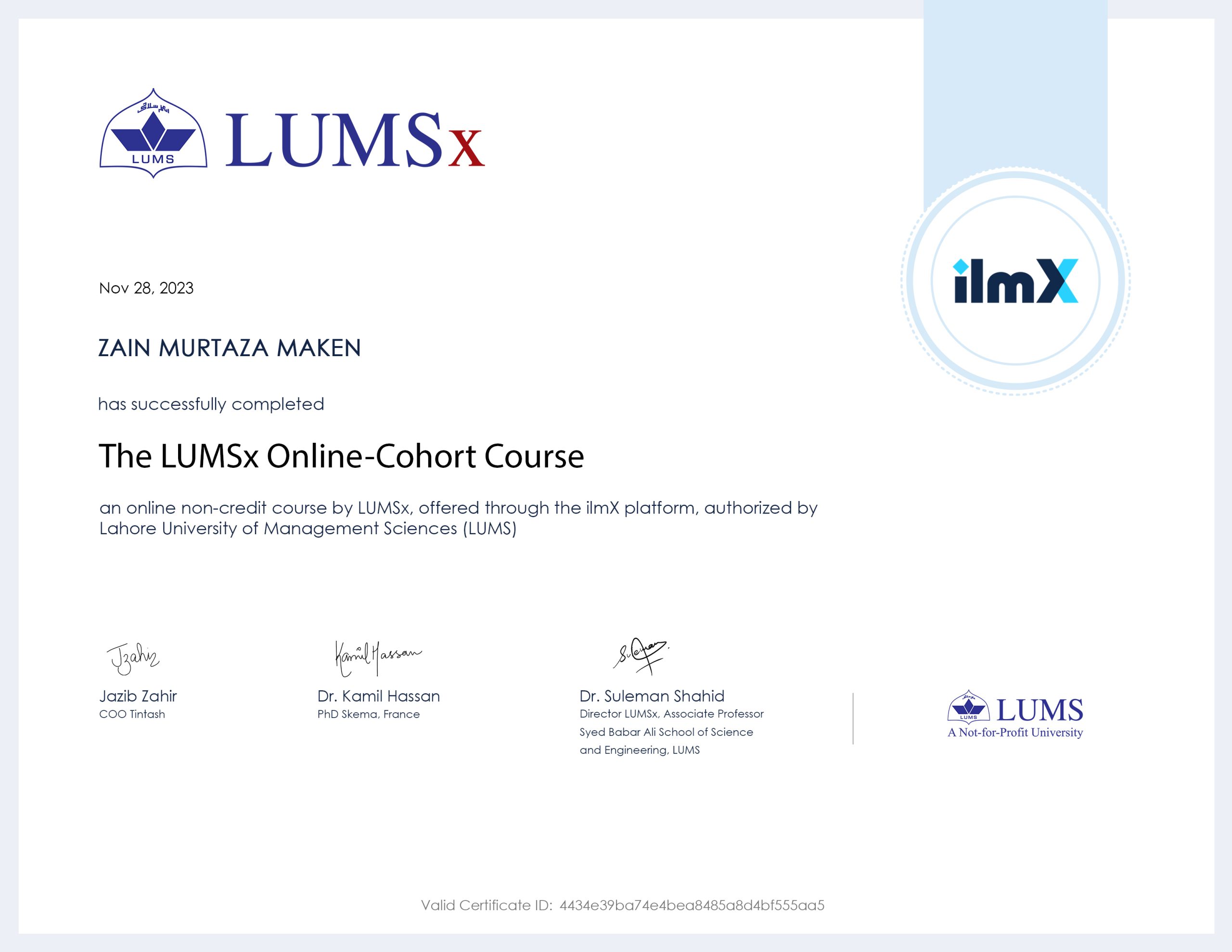
Upon completion of the course, you receive a signed certificate from the institute. You can share this certificate in the certifications section of your LinkedIn profile, on printed resumes, CVs, or other documents.
This course is designed for K–12/High Ed teachers, curriculum designers, and academic leaders who want to meaningfully integrate artificial intelligence into their teaching practice. Whether you are new to AI or already experimenting with tools like ChatGPT, this course will help you understand core AI concepts, evaluate tools, and apply them effectively for lesson planning, assessment, and student engagement across different educational contexts.
This is a 5-week online course offered in a cohort-based format. It includes short asynchronous video lessons, reflective exercises, practical application tasks, and 3 live classes with the instructor. Participants can access video content at their own pace while following the scheduled course flow and participating in the live session for discussion and consolidation.
No prior experience with artificial intelligence or advanced technology is required to take this course. The course is designed for beginners and is suitable for K–12/High Ed teachers from all subject areas and teaching backgrounds. Throughout the course, you will be introduced to AI concepts and tools step-by-step through practical examples, demonstrations, and hands-on activities that are directly connected to classroom teaching and learning.
Participants should have access to a laptop, computer, or tablet with audio capability and a stable internet connection. The course will use platforms such as Zoom or Microsoft Teams for the live session. Basic familiarity with online learning platforms will help ensure a smooth learning experience.
Yes. Upon successful completion of all course requirements and assessments, participants will receive a certificate from LUMSx.
Yes. Instructions for requesting a printed certificate will be shared at the end of the course.
If the course is cancelled or postponed due to insufficient enrollment or unforeseen circumstances, a refund will be provided for registration or processing fees paid. Refunds will not be issued if a participant chooses to withdraw voluntarily after enrollment.
Participants must achieve a minimum score of 70% across assignments and assessments to successfully complete the course and receive certification.
No. Participants are expected to complete all modules, videos, and assessments to meet the learning requirements and qualify for certification.
Participants will have access to a dedicated teaching assistant for academic and technical support. The course also includes instructor guidance, discussion opportunities, and feedback on selected tasks. The live sessions with the instructor provide an additional space for reflection, clarification, and professional dialogue.
If you are unable to join the current cohort, please check the website for upcoming cohorts. This course will be offered multiple times, allowing you to register for a schedule that best suits you.
Yes. Schools may request a dedicated cohort tailored to their institutional needs. Please contact contactlumsx@lums.edu.pk with your proposal, and a representative will reach out to discuss customization options and scheduling.
When you click on the Enroll Now button, you will be asked to register online. Once you complete registration, you can choose from three payment options:
1. Pay via bank: Instantly download a fee voucher for hassle-free bank deposits. After payment confirmation, you’ll receive access to the learning management system within 24 hours.
2. Pay online: Generate a voucher with a single click and complete payment swiftly. Access is granted within 24 hours of confirmation.
3. Pay in instalments: LUMSx partners with KalPay Taleem to offer installment options. Complete registration and select “Pay in installments.” For more info, contact taleem@kalpayfinancials.com or call 0328 3044414.
For technical support or enrollment queries, email support@ilmx.org or use the chat widget on the website. Content-related queries are not supported via this channel.
