
Social-Emotional Learning (SEL) in early childhood is critical for helping young learners develop self-awareness, manage emotions, build relationships, and make responsible decisions. This course provides practical strategies and evidence-based approaches to support children’s emotional and social growth in both home and classroom settings.
Through this training, you’ll explore the five core SEL competencies, learn to design developmentally appropriate activities, and discover how to integrate SEL into play, storytelling, and everyday routines. You’ll also learn how to create culturally responsive and inclusive learning environments that nurture empathy, resilience, and emotional well-being.
This course is for aspiring and practicing early childhood educators, caregivers, school leaders, and anyone interested in supporting young children’s social and emotional growth. Whether new to the field or looking to deepen your understanding, it provides both theoretical grounding and practical strategies. If you want to move beyond surface-level guidance and truly understand how children experience, regulate, and express emotions, this course is for you. You’ll gain a strong conceptual foundation, actionable tools for fostering emotional literacy, self-regulation, and positive relationships, and the confidence to create safe, responsive, and developmentally appropriate learning environments. Grounded in child development theory and evidence-based practices, the course bridges theory with classroom application, equipping educators to nurture children’s social-emotional skills through intentional, meaningful, and culturally responsive experiences.
In this course, you will gain practical skills and a strong conceptual understanding of social-emotional development in early childhood. You’ll learn to design activities and environments that foster emotional literacy, co-regulation, and supportive relationships.
By the end of this training, you will be able to:
Want to avail group discounts? Visit our “For Organizations” page to learn more about team enrollments.

Natasha Barlas is an Educational and Behavioral Psychologist and faculty member at LUMS with over…
Natasha Barlas is an Educational and Behavioral Psychologist and faculty member at LUMS with over…
This module lays out the conceptual foundation for understanding Social-Emotional Learning (SEL) in early childhood education. Learners will explore what SEL is, why it matters for young children, and how it supports holistic development, learning readiness, and positive classroom climates. The module introduces the five core competencies of SEL as defined by the CASEL framework: self-awareness, self-management, social awareness, relationship skills, and responsible decision-making and demonstrates how these competencies guide teaching and everyday interactions with children. By the end, learners will be able to articulate the significance of SEL in early childhood and recognize how the framework informs effective teaching practices.
Learning Outcomes:
This module focuses on the development of emotional literacy and regulation skills in young learners. Learners will examine how children identify, express, and manage their emotions, and how educators can create emotionally safe and supportive learning environments. The module emphasizes practical strategies for co-regulation and self-regulation during routines, transitions, and play, enabling children to develop self-control, empathy, and resilience. By the end, learners will be equipped to foster emotionally aware classrooms that support children’s social and emotional growth.
Learning Outcomes:
This module explores the role of secure, responsive relationships in supporting young children’s social and emotional development. Learners will examine the importance of teacher-child attachment, trust-building, and responsive interactions that promote a sense of belonging. The module highlights strategies to strengthen relationships through observation, reflection, and intentional classroom practices, fostering positive connections that enhance children’s social awareness and emotional well-being. By the end, learners will understand how responsive relationships form the foundation for learning and holistic development.
Learning Outcomes:
This module examines the integration of SEL into daily classroom routines, play, and storytelling activities. Learners will explore actionable strategies to embed SEL competencies into play- and story-based learning experiences, enhancing self-awareness, empathy, and responsible decision-making among children. The module also emphasizes involving families in supporting SEL, creating a collaborative and consistent approach between home and school. By the end, learners will be able to implement developmentally appropriate SEL practices that enrich classroom experiences and family engagement.
Learning Outcomes:
This module explores how social-emotional learning can be designed and implemented in culturally responsive and inclusive ways. Participants will examine the influence of family, community, and cultural contexts on children’s social-emotional development. They will learn strategies to engage families in nurturing SEL at home, design classroom practices that respect diversity and cultural norms, and create learning experiences that are both inclusive and developmentally appropriate.
Learning Outcomes:
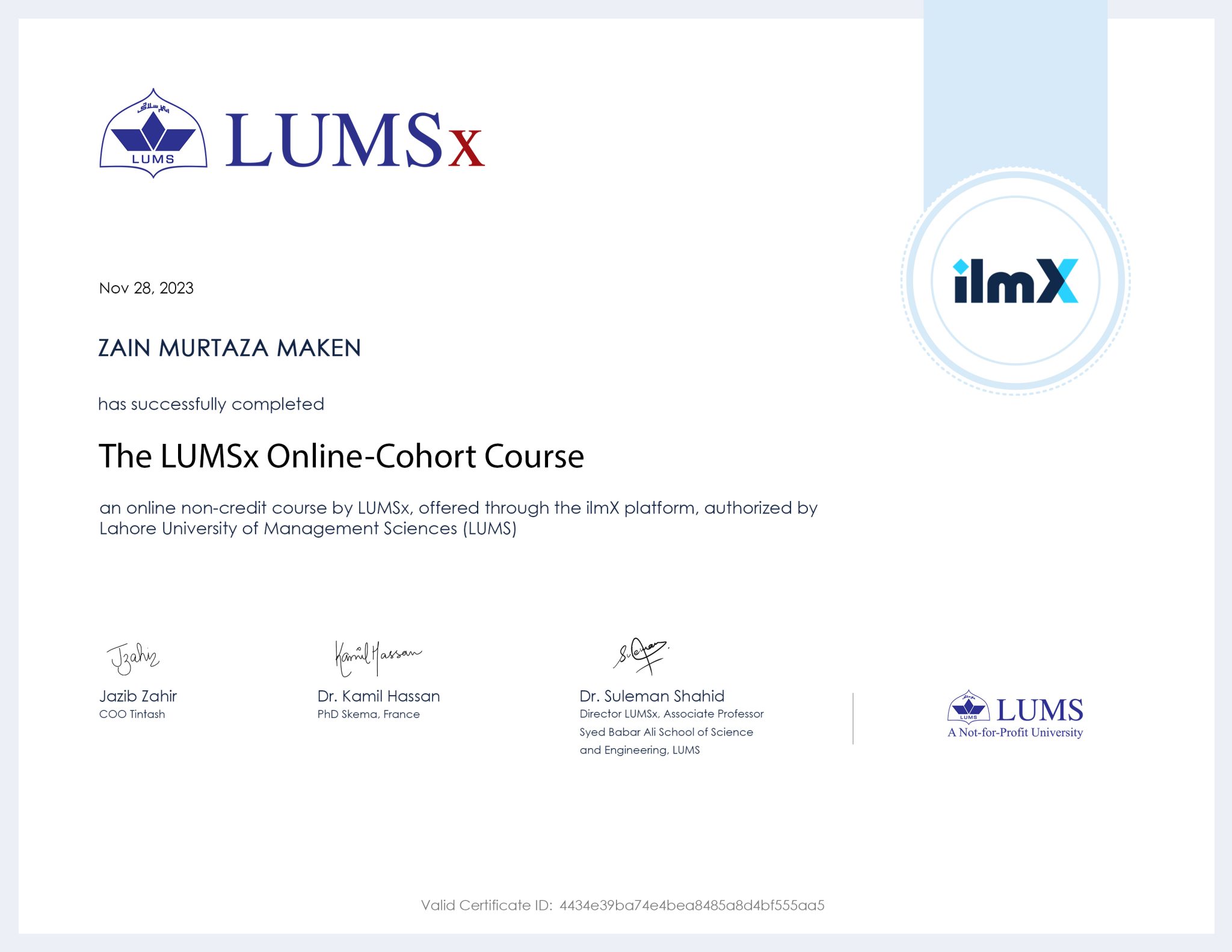
Upon completion of the course, you receive a signed certificate from the institute. You can share this certificate in the certifications section of your LinkedIn profile, on printed resumes, CVs, or other documents.
This course is for aspiring and practicing early childhood educators, caregivers, school leaders, and anyone interested in supporting young children’s social and emotional growth. Whether new to the field or looking to deepen your understanding, it provides both theoretical grounding and practical strategies. If you want to move beyond surface-level guidance and truly understand how children experience, regulate, and express emotions, this course is for you. You’ll gain a strong conceptual foundation, actionable tools for fostering emotional literacy, self-regulation, and positive relationships, and the confidence to create safe, responsive, and developmentally appropriate learning environments. Grounded in child development theory and evidence-based practices, the course bridges theory with classroom application, equipping educators to nurture children’s social-emotional skills through intentional, meaningful, and culturally responsive experiences.
This is a 3-week online course offered in a cohort-based format. It includes short asynchronous video lessons, reflective exercises, practical application tasks, and 2 live classes with the instructor. Participants can access video content at their own pace while following the scheduled course flow and participating in the live session for discussion and consolidation.
No prior specialization in ECE is required. This course begins with understanding SEL, its importance, and gradually builds toward application. It is suitable for educators who are new to early years teaching as well as those looking to strengthen their theoretical understanding of SEL and its implementation in the classroom.
Participants should have access to a laptop, computer, or tablet with audio capability and a stable internet connection. The course will use platforms such as Zoom or Microsoft Teams for the live session. Basic familiarity with online learning platforms will help ensure a smooth learning experience.
Yes. Upon successful completion of all course requirements and assessments, participants will receive a certificate from LUMSx.
Yes. Instructions for requesting a printed certificate will be shared at the end of the course.
If the course is cancelled or postponed due to insufficient enrollment or unforeseen circumstances, a refund will be provided for registration or processing fees paid. Refunds will not be issued if a participant chooses to withdraw voluntarily after enrollment.
Participants must achieve a minimum score of 70% across assignments and assessments to successfully complete the course and receive certification.
No. Participants are expected to complete all modules, videos, and assessments to meet the learning requirements and qualify for certification.
Participants will have access to a dedicated teaching assistant for academic and technical support. The course also includes instructor guidance, discussion opportunities, and feedback on selected tasks. The live sessions with the instructor provide an additional space for reflection, clarification, and professional dialogue.
If you are unable to join the current cohort, please check the website for upcoming cohorts. This course will be offered multiple times, allowing you to register for a schedule that best suits you.
Yes. Schools may request a dedicated cohort tailored to their institutional needs. Please contact contactlumsx@lums.edu.pk with your proposal, and a representative will reach out to discuss customization options and scheduling.
When you click on the Enroll Now button, you will be asked to register online. Once you complete registration, you can choose from three payment options:
For technical support or enrollment queries, email support@ilmx.org or use the chat widget on the website. Content-related queries are not supported via this channel.
You will have a dedicated teaching assistant who will be available to support you throughout the course. Additionally, you can expect instructor feedback, access to peer discussion forums, and supplementary resources. During live sessions, you’ll have the opportunity to interact directly with the instructor and your peers for further support and clarification